
Quick answer
Ventilate well and wipe glass and tiles down after showering. Use mild, non-abrasive cleaners — avoid bleach and acids on stone, chrome and silicone. Keep grout and sealant clean and reseal when needed, and deal with limescale early before it builds up. A few small habits keep a new bathroom looking newly fitted.
Start with ventilation — it does most of the work
If you only take one thing from this page, make it this: a well-aired bathroom looks after itself. Most of the problems people blame on cleaning — black mould in the corners, condensation streaking the walls, that musty smell — come down to damp air with nowhere to go.
Run your extractor fan every time you shower or bathe, and leave it going for ten to fifteen minutes afterwards. Crack a window if you have one, and leave the door ajar once you’re done so the air can move. In a Plymouth winter especially, warm wet air finds the coldest surface and sits there — so the better the ventilation, the less mould and condensation you’ll ever have to deal with.
Daily quick habits
Keep a squeegee in the shower and pull the water off the glass screen and tiles after each use — thirty seconds that stops watermarks and limescale ever forming. Give surfaces a quick wipe with a soft cloth, and shake out the bath mat so it can dry properly.
Weekly once-over
A gentle clean of the suite, taps and tiles with a mild bathroom spray, then a buff dry. Keeping on top of it weekly means you never need the harsh stuff — and the harsh stuff is exactly what damages a new bathroom’s finishes.
The right cleaner for each surface
A new bathroom is a mix of materials, and each one wants treating a little differently. The golden rule across all of them is simple: mild and non-abrasive. Bleach, strong acids and scouring pads are how perfectly good finishes get dulled, etched and scratched within the first year.
- Porcelain & ceramic tiles — the toughest surface in the room. A mild spray and a soft cloth is all they need; skip the scourers so you don’t scratch the glaze.
- Natural stone — marble, slate and travertine hate acids. Use only a pH-neutral cleaner, never vinegar, lemon or limescale removers, which will etch and stain the stone.
- Chrome & brassware — warm soapy water and a buff dry keeps it gleaming. No abrasives or limescale acids, which strip the plating.
- Matt black taps — the fashionable finish that’s easiest to ruin. Soft cloth, mild soap, no chemicals or rough sponges, or the coating wears patchy.
- Acrylic baths & shower trays — never use a scourer or cream cleaner. A soft cloth and gentle liquid keeps the surface glossy and scratch-free.
- Glass screens — squeegee after every shower; a quick glass cleaner weekly keeps them clear. Here’s how to stop a screen going cloudy for good.
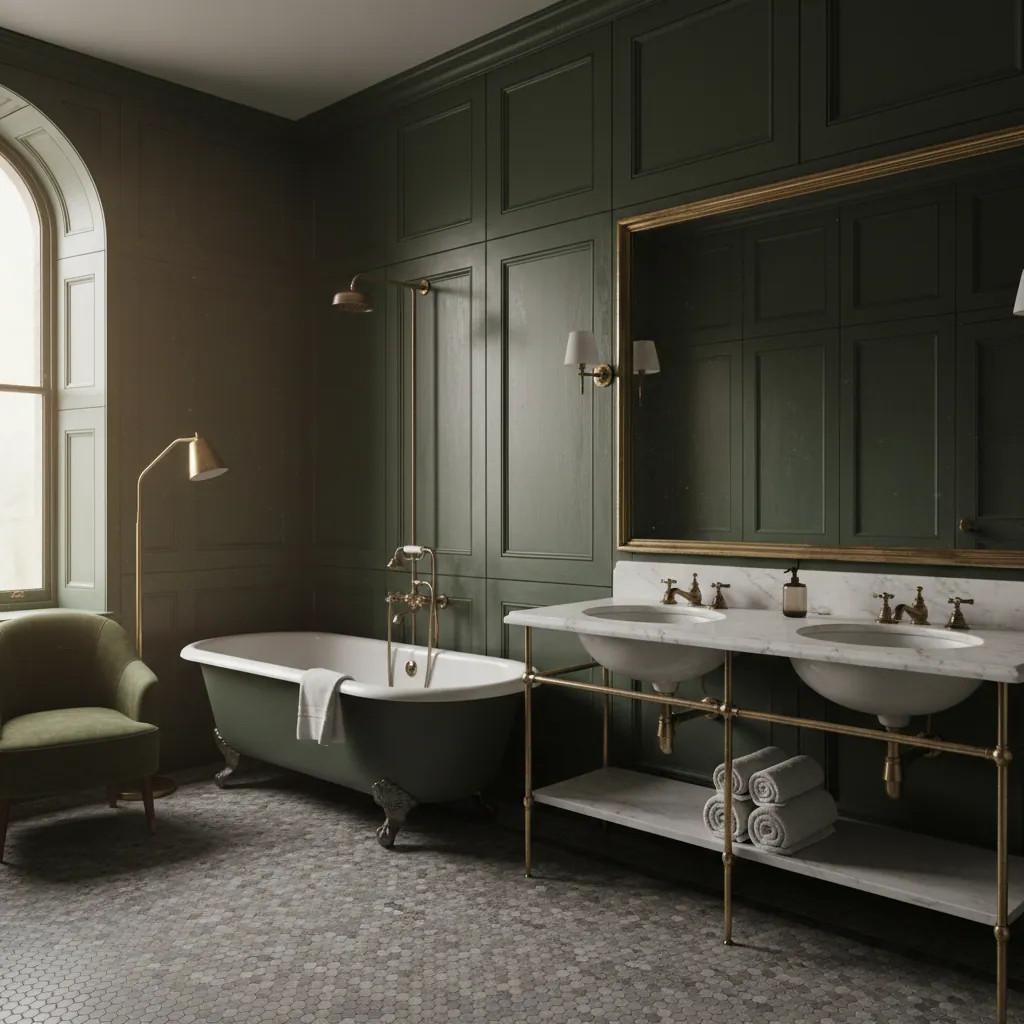
Match the cleaner to the surface and your finishes stay looking like the day they went in — no etched stone, no dulled chrome, no scratched acrylic.
Limescale — a Plymouth thing worth staying ahead of
Water across the South West and Plymouth is moderately hard, which means limescale will build up on glass, taps and tiles if you let it. The trick is to never let it: a daily squeegee and a quick wipe-dry of taps after use stops scale forming in the first place, which is far easier than scrubbing it off later.
When you do need to shift it, reach for a proper but gentle limescale remover — and read the label. The acids that dissolve limescale are exactly the ones that damage natural stone, chrome plating and silicone, so keep them well away from those surfaces. On glass and ceramic they’re fine; on anything plated, stone or sealed, stick to mild soap and elbow grease instead.
Looking after grout and silicone
Grout and silicone are what keep water where it belongs, so they’re worth a little attention. The aim is to keep them dry-ish and clean. Good ventilation — that fan again — does most of it, because mould only takes hold on grout and sealant that stays damp. Wipe the silicone seals around the bath, basin and tray dry now and then, and keep an eye out for any dark specks starting to appear.
A soft brush and a mild cleaner keeps grout looking fresh; you don’t need bleach, and you definitely don’t want acids near the silicone, which they’ll degrade over time. If you’ve spotted mould creeping in despite good habits, our guide on how to stop bathroom grout going mouldy covers it in detail.
Silicone seals don’t last forever — over the years they shrink, discolour and lose their grip, and that’s the moment to renew them rather than paint over the problem. When and how often to do it is its own question, so we’ve answered it fully on how often you should reseal a bath or shower.
A few things not to do
Most bathroom damage is accidental, and a couple of simple habits avoid the lot. Don’t stand on the edge of the bath or the rim of a shower tray to reach a window or clean tiles — they’re built to take your weight on the base, not on the lip, and that’s where cracks start. Go easy on heavily perfumed bath bombs and oils too, which can stain acrylic over time, and never use a new bathroom as a drying room for weeks on end.
Look after the basics — air it, wipe it, use the right cleaners — and a well-fitted bathroom will look newly installed for years. If something ever doesn’t seem right, our advice on what to do if something goes wrong with your new bathroom is the place to start, and you’ll find more in our FAQs.
Here when you need us
Thinking about a new bathroom — or caring for one we fitted?
Whether you want a fresh bathroom built to last or a hand looking after the one you’ve got, our Plymouth team is happy to help. No hard sell, just straight advice.
Common questions about looking after a new bathroom
What’s the best cleaner for a new bathroom?
A mild, non-abrasive bathroom spray for most jobs, plus a pH-neutral cleaner for any natural stone. Avoid bleach, strong acids, cream cleaners and scouring pads on a new bathroom — they dull chrome, etch stone, scratch acrylic and degrade silicone. For most weekly cleaning, warm soapy water and a soft cloth genuinely does the job.
How do I stop limescale on my taps and glass in Plymouth?
Plymouth and the wider South West have moderately hard water, so stay ahead of it. Squeegee the glass and wipe the taps dry after each use so scale never gets a chance to form. When you do need a limescale remover, keep it to glass and ceramic only — never use acidic descalers on chrome plating, natural stone or silicone seals.
How do I keep mould off the grout and sealant?
Ventilation is the answer. Run the extractor during and after showering, open a window, and wipe the silicone seals dry now and then so they don’t stay damp. Mould only takes hold on surfaces that stay wet, so keeping grout and sealant dry-ish stops it before it starts. Our dedicated guide covers grout mould in full detail.
Can I stand on the bath or shower tray to clean the tiles?
It’s best not to. Baths and shower trays are designed to take your weight on the base, not on the edge or rim, and standing on the lip is a common way to start a crack. Use a step or a long-handled cloth instead. The same care applies to leaning heavy weight on glass screens — treat the room gently and it stays sound.