
Quick answer
It depends on the work. Bathroom electrics must be done by a Part P-registered electrician. Anything touching gas — moving a boiler or a gas supply — must be done by a Gas Safe registered engineer. General fitting, tiling and plumbing don’t require those registrations, but the trades that do are non-negotiable. Our managed team covers all of them.
Two different registrations for two different jobs
People often lump “Gas Safe” and “Part P” together as a vague badge of being qualified, but they cover entirely separate work — and most bathrooms only need one of them. Knowing the difference helps you ask a fitter the right questions.
Part P — for the electrics
Part P is the section of the Building Regulations covering electrical safety in homes. A registered electrician (via a scheme such as NICEIC or NAPIT) is competent to carry out and self-certify bathroom wiring — showers, fans, heating, lighting — to the current regulations. This is the registration almost every bathroom needs.
Gas Safe — only if there’s gas
Gas Safe is the legal register for anyone working on gas appliances and pipework in the UK. You only need it if your bathroom job involves the gas supply — for instance relocating a gas boiler. Most bathroom refits don’t touch gas at all, so Gas Safe simply isn’t required.
So does a bathroom fitter need to be Gas Safe?
Usually no. A standard bathroom refit — strip out, plumb in a new suite, tile, fit a shower — involves water plumbing, not gas. Water plumbing doesn’t require Gas Safe registration. The confusion arises because some bathroom jobs sit near gas: if a combi boiler is in the bathroom and needs moving, or you’re adding a gas-heated towel rail, then that specific element needs a Gas Safe engineer. The fitter doing the tiling and pipework doesn’t personally need to be on the gas register — but whoever touches the gas does.
The same logic applies to electrics: the tiler doesn’t need to be a Part P electrician, but the person wiring your shower absolutely does. A good company brings the right qualified trade to each part of the job.
Registration requirements and scheme details can change. Always confirm a tradesperson’s current registration directly with the relevant scheme, or with Plymouth City Council building control.
How a managed team solves this
The trouble with hiring trades piecemeal is that you end up coordinating qualifications yourself — checking the electrician is registered, finding a Gas Safe engineer for the boiler, hoping they all turn up in the right order. A managed bathroom company takes that off your plate. On every Proud Bathroom Fitters job you get:
- A Part P-registered electrician for all bathroom wiring
- A Gas Safe engineer brought in if any gas work is needed
- Experienced fitters and tilers for the rest
- One project manager coordinating it all, in the right order
- Proper certificates issued for the notifiable work
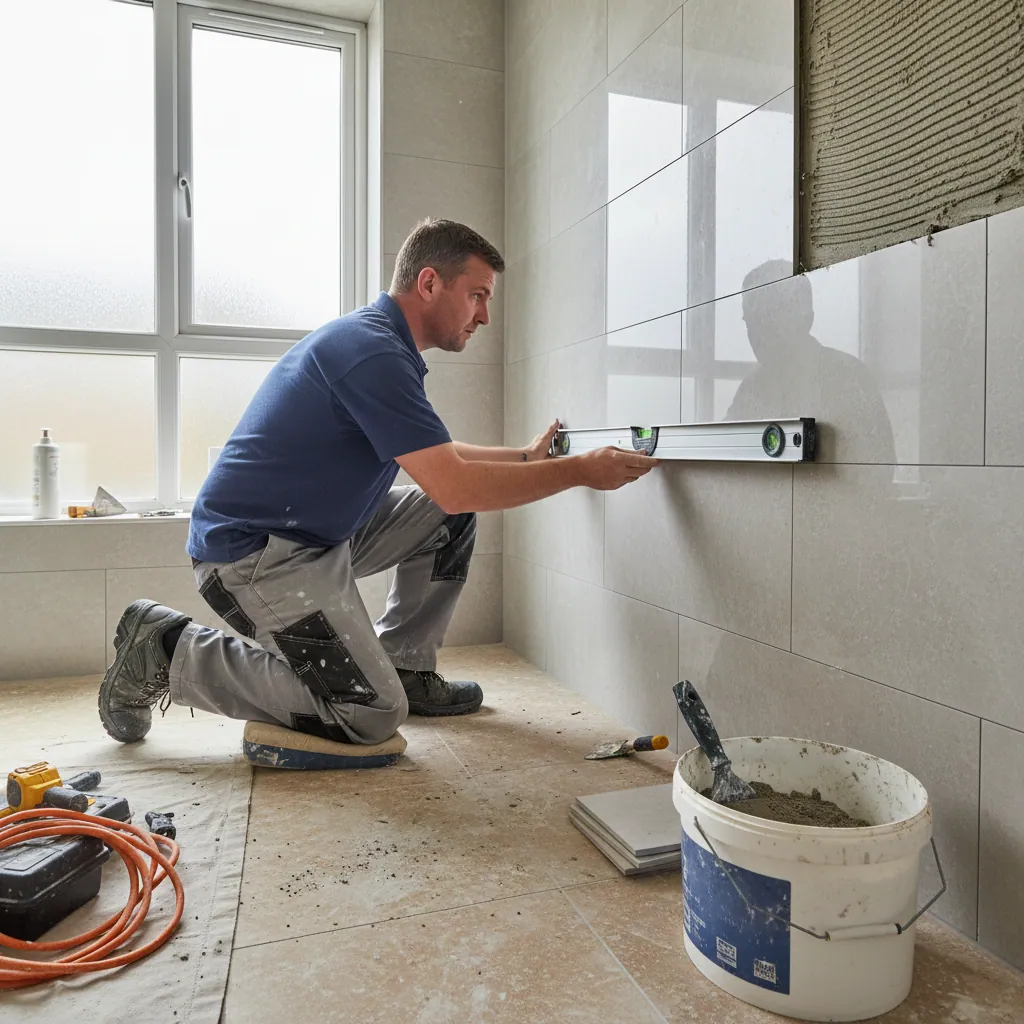
One accountable team, every trade qualified for its part of the job — no coordinating contractors yourself.
What to ask any bathroom fitter
“Who does the electrics?”
You want to hear a Part P-registered electrician, with a certificate at the end. If they shrug, walk away.
“What about the boiler?”
If gas is involved, they should name a Gas Safe engineer — not promise to “sort it” themselves.
“Are you insured?”
Public liability insurance and a workmanship guarantee should come as standard. See are your fitters insured.
For more on choosing well, read questions to ask a bathroom fitter, our answer on needing a qualified electrician, and our full bathroom installation page.
Frequently asked
Do bathroom fitters need to be Gas Safe?
Only if the job involves gas — such as moving a gas boiler. Most bathroom refits are water plumbing and tiling, which don’t require Gas Safe registration. Any gas work must be done by a Gas Safe engineer.
Do bathroom fitters need to be Part P registered?
The person doing the bathroom electrics must be a registered, competent electrician working to Part P. The general fitter or tiler doesn’t personally need it, but a registered electrician must carry out and certify the wiring.
How do I check a tradesperson is registered?
You can verify Gas Safe and electrical competent-person scheme registrations through their official online registers. A reputable company will happily provide their details.
Qualified for every part of the job
Get a team that covers it all
Part P electrics, Gas Safe when needed, experienced fitters throughout — coordinated by one project manager and properly certified.