Quick answer
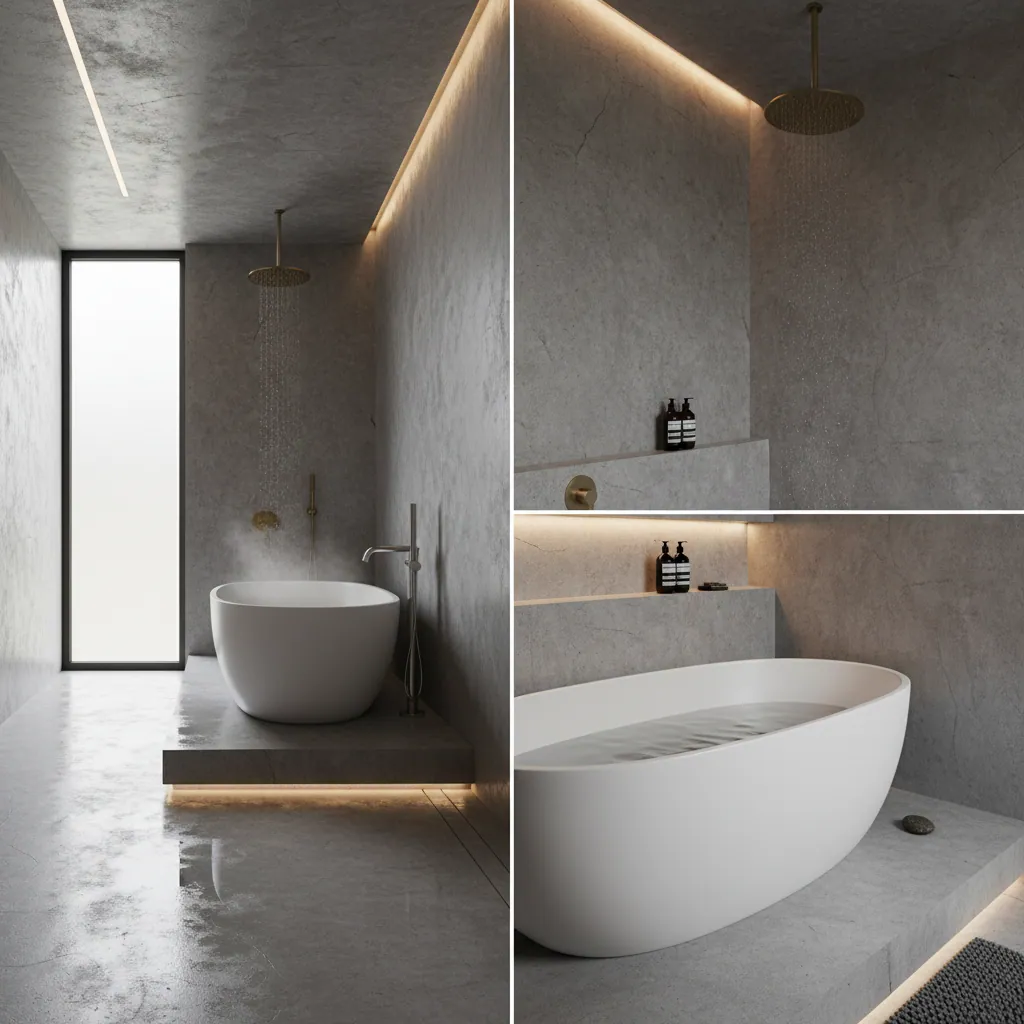
A wet room is a fully waterproofed (tanked) room with an open, level-access shower draining straight through the floor. A shower room is a normal room with an enclosed shower — a raised tray, screen or cubicle keeping the water in one place. The core difference is the waterproofing: a wet room tanks the whole space; a shower room contains the water in the enclosure.
The real difference is the waterproofing
People often use “wet room” and “shower room” loosely, but to a fitter they mean two genuinely different builds. A shower room is simply a room whose main feature is a shower rather than a bath — but the water is contained. There’s a shower tray (often raised), an enclosure or glass screen, and the rest of the room stays dry. Only the cubicle and its surrounds need to be fully waterproof.
A wet room turns the whole room into the shower. The floor is laid to a gentle fall toward a drain, there’s usually no tray and often no enclosure, and the entire floor and lower walls are tanked — sealed with a waterproof membrane before tiling — so water can run freely without finding its way into the structure. That tanking is the heart of the job, and it’s why a wet room is a specialist install rather than a standard fit.
Side by side
Wet room
- Whole floor and lower walls fully tanked
- Level access — step-free, drains through the floor
- Often no tray and no enclosure (or a single screen)
- Easy to clean, very open, future-proof for mobility
- Plymouth range roughly £5,545–£10,810
- Typically 4–7 working days to install
Shower room
- Enclosed tray, screen or cubicle keeps water contained
- Usually a raised tray with a small step in
- Rest of the room stays dry underfoot
- Simpler, often cheaper, quicker to fit
- Walk-in shower range roughly £2,500–£6,500
- Glass and tray make a contemporary, defined feature
Prices reflect Plymouth, which runs around 9% below the UK average. For a full breakdown see our bathroom cost guide.
Which should you choose?
Neither is simply “better” — it depends on the room, the household and the look you’re after.
A wet room suits you if…
- You want step-free, accessible showering now or in future
- The room is small and a tray would feel cramped
- You like a minimal, open, easy-clean space
- You’re happy to invest in proper tanking for longevity
A shower room suits you if…
- You want to keep the rest of the floor dry underfoot
- You prefer a defined cubicle and a more contained feel
- You’d like a simpler, often more budget-friendly fit
- You’re converting a small box room or en-suite quickly
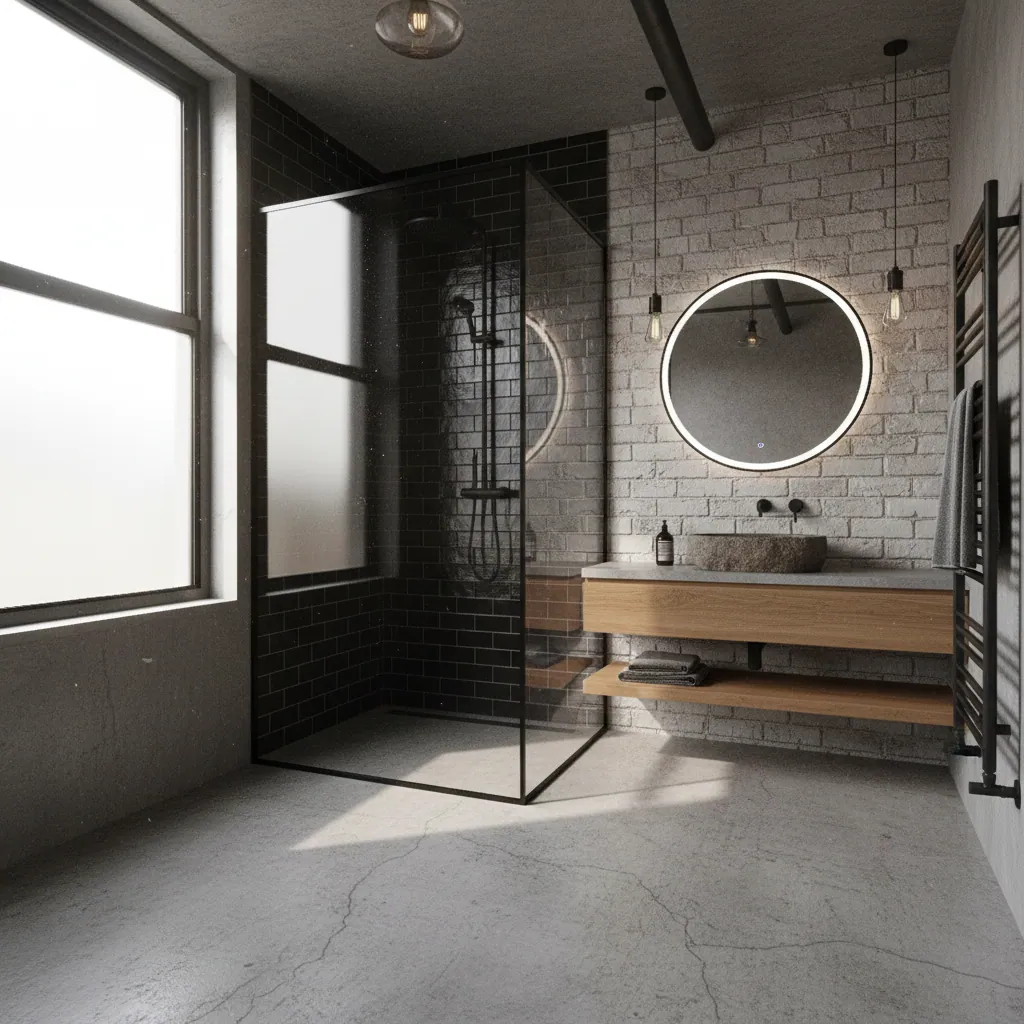
A shower room keeps the water contained in an enclosure; a wet room lets the whole floor get wet and drain away.
What the build actually involves
The difference in approach shows up most on the workshop floor. A wet room needs the floor levelled and falls formed toward the drain, a former or graded screed, and full tanking that has to cure before any tile goes down — which is exactly why we never rush it. A shower room is closer to a standard fit: set the tray, build and waterproof the enclosure walls, fit the screen and tile around it.
Falls and drainage
A wet room lives or dies on getting the floor falls right so water heads to the drain, not your doorway. It’s precise work and the main reason wet rooms are a specialist job.
Tanking
The waterproof membrane across floor and lower walls is what stops a wet room leaking into the structure. Our wet room installation page explains how we do it properly.
Tiling and finish
Both benefit from slip-rated floor tiles and careful sealing. The right tiling and flooring keeps either option safe underfoot and looking sharp.
If accessibility is the driver, a level-access wet room is often the best long-term answer — see our walk-in showers and accessible bathrooms pages.
Wet room vs shower room: common questions
Is a wet room more expensive than a shower room?
Usually, yes. A wet room needs full tanking and carefully formed floor falls, which adds labour, so it typically costs more than a contained shower room. A wet room runs roughly £5,545–£10,810 in Plymouth, while a walk-in shower is nearer £2,500–£6,500.
Does a wet room make the whole room wet?
Less than people expect. A glass screen and well-placed fittings keep most spray near the shower, and the graded floor drains it away quickly. Because the whole floor is tanked, the odd splash is no problem — but it doesn’t soak the entire room every time.
Which is better for an elderly or less mobile person?
A wet room is usually the better choice. Level access means no tray to step over, it suits a shower seat and grab rails, and it future-proofs the home. A shower room with a low-level tray can also work where a full wet room isn’t practical.
Can you have a wet room upstairs?
Yes — wet rooms work upstairs on timber floors, provided the floor is properly reinforced, graded and tanked. It’s a job for an experienced fitter, but it’s very common and entirely reliable when done correctly.
Not sure which suits your room?
Get expert advice and a fixed quote
Tell us about your space and how you use it, and we’ll recommend a wet room or shower room honestly — then give you a written price with a clear timeline.