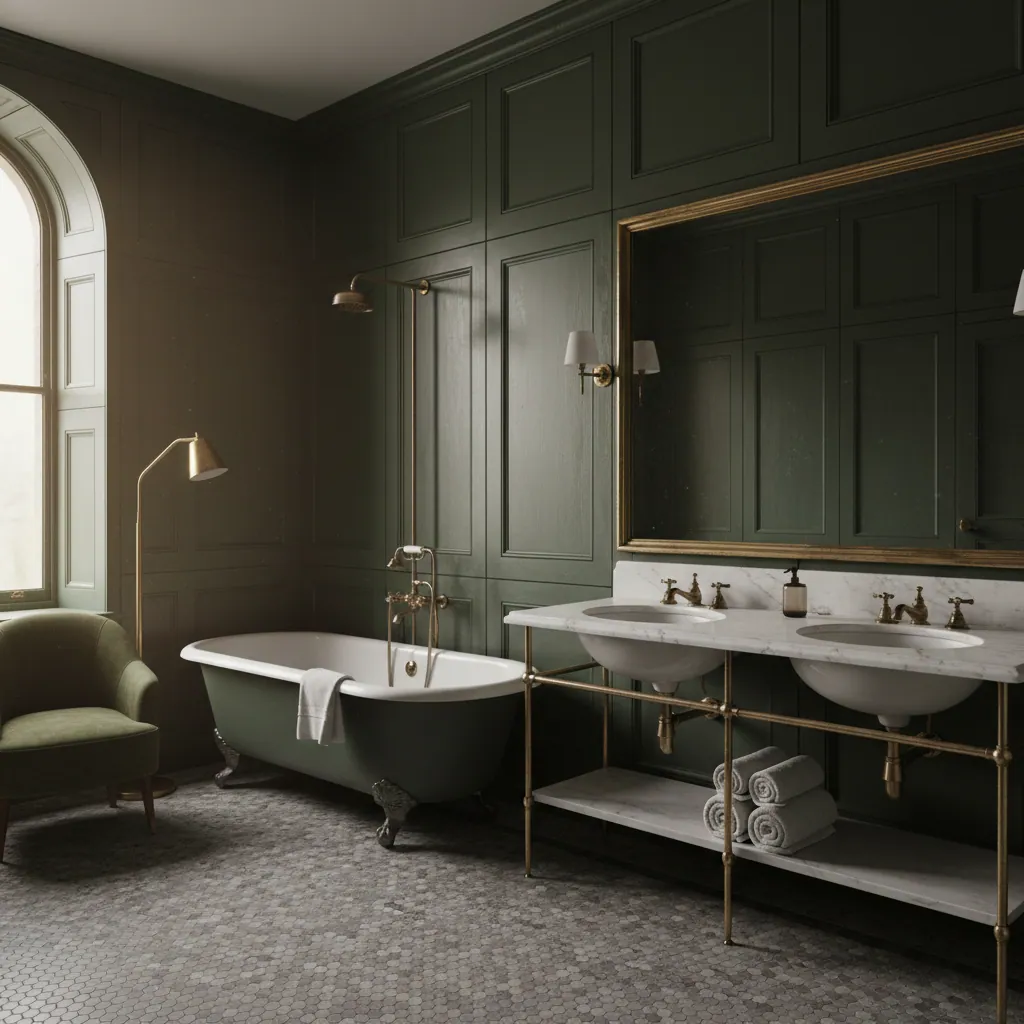
Quick answer
For a family home, it’s wise to keep at least one bath somewhere in the property. A house with no bath at all can put off buyers with young children, which narrows your market when you come to sell. If you have two bathrooms, converting one to a walk-in shower is no problem. If it’s your only bathroom, think carefully before losing the bath entirely.
Why buyers still want a bath
This question comes up almost every time someone asks us to replace a bath with a walk-in shower — and it’s a fair one. The honest position is this: estate agents broadly agree that a family home should have a bath somewhere. Families with babies and young children genuinely need one for bathing little ones, and a fair slice of buyers simply like the option of a soak. A house marketed with no bath at all can quietly lose those buyers before they even view.
That doesn’t mean you can’t have a walk-in shower — it means you want to be strategic about where the bath stays. The aim is to enjoy the shower you actually want day to day without painting yourself into a corner at resale.
The sensible rules of thumb
Whether removing a bath affects resale depends on your home and your local market. These are the guidelines we give Plymouth clients:
- Two or more bathrooms? Keep a bath in one, fit a walk-in shower in the other — best of both worlds
- Family-sized house, one bathroom? Lean towards keeping a bath, or a shower-over-bath, to protect resale
- Adding an en-suite? A shower-only en-suite is fine as long as the main bathroom keeps a bath
- Selling soon? A bath is the safer choice; selling is about appealing to the widest pool
- Staying long-term or downsizing? Suit yourself — a walk-in or accessible shower often makes more sense to live with
If you’re upgrading mainly to add value, our do walk-in showers add value page is worth a read alongside this.

Keep a bath in the main bathroom and put the walk-in shower in the en-suite, and resale isn’t a worry.
When losing the bath is the right call
There are plenty of situations where ditching the bath entirely is the sensible, even valuable, move. If you or a family member struggles to climb into a bath, a level-access walk-in shower is far safer and more usable — and for that buyer profile, an accessible bathroom can actually be a selling point, not a drawback. Likewise, if you’re downsizing or in a flat or bungalow where buyers skew older, a smart walk-in shower often appeals more than a bath nobody uses.
The key is to think about who’s likely to buy your home, not just what suits you today. We’ll give you a straight opinion based on your property and the area — Plympton family homes and Stonehouse flats call for different advice. And whatever you decide, a well-designed bathroom that looks like the brochure adds value regardless; see our how much a bathroom adds to house value page.
Common questions
Does a walk-in shower add or lose value?
A good walk-in shower generally adds value, as long as the home still has a bath somewhere for families. Lose the only bath and you can narrow your buyer pool. See do walk-in showers add value.
Is a shower-over-bath a good compromise?
Yes — it keeps the bath for resale and families while giving you a shower. It’s less luxurious than a true walk-in but covers all bases in a one-bathroom home.
What if I’m staying put for years?
Then prioritise how you want to live. A walk-in shower you’ll use every day beats a bath you won’t, and you can always add a bath back before selling.
A worked example: a Plympton family home
Here’s a common one for us. A couple in a three-bed 1970s home in Plympton have a single family bathroom and a downstairs cloakroom, and they’d love to lose the bath for a big walk-in shower they’ll actually use. Because it’s the only bath in the house and the home suits families, our honest steer is usually to keep a bath somewhere — either a slimline shower-over-bath in the main room, or, if there’s space, a compact bath alongside the shower. That protects the widest pool of buyers when they come to sell, without giving up the shower they want day to day.
Contrast that with a couple in a two-bed Stonehouse flat whose likely buyers skew younger or older and rarely want a bath. There, a smart level-access walk-in shower often shows better than a tired bath nobody uses. Same question, different answer — because it turns on who buys your particular home, not a blanket rule.
Getting the balance right
The trap to avoid is deciding purely on how you live today and forgetting the day you sell. A bathroom is a long-term fixture, so it pays to think a step ahead.
Two bathrooms? Relax
Keep a bath in one and fit a walk-in in the other. You get the shower you want and lose nothing at resale — the easiest situation of all.
One bathroom? Hedge
A shower-over-bath or a compact bath plus shower keeps families and buyers happy. Less glamorous than a full walk-in, but it covers every base.
Staying put? Please yourself
If you’re not selling for years, prioritise daily life — a walk-in you use beats a bath you don’t, and a bath can be added back before a sale.
Whatever you choose, a well-designed bathroom adds appeal regardless — see how much a bathroom adds to house value. We give straight, area-specific advice across our Plymouth coverage.
Straight advice for your home
Weighing up a bath-to-shower swap?
We’ll give you an honest view on resale for your property and area, then a fixed quote for whichever way you go.