Quick answer
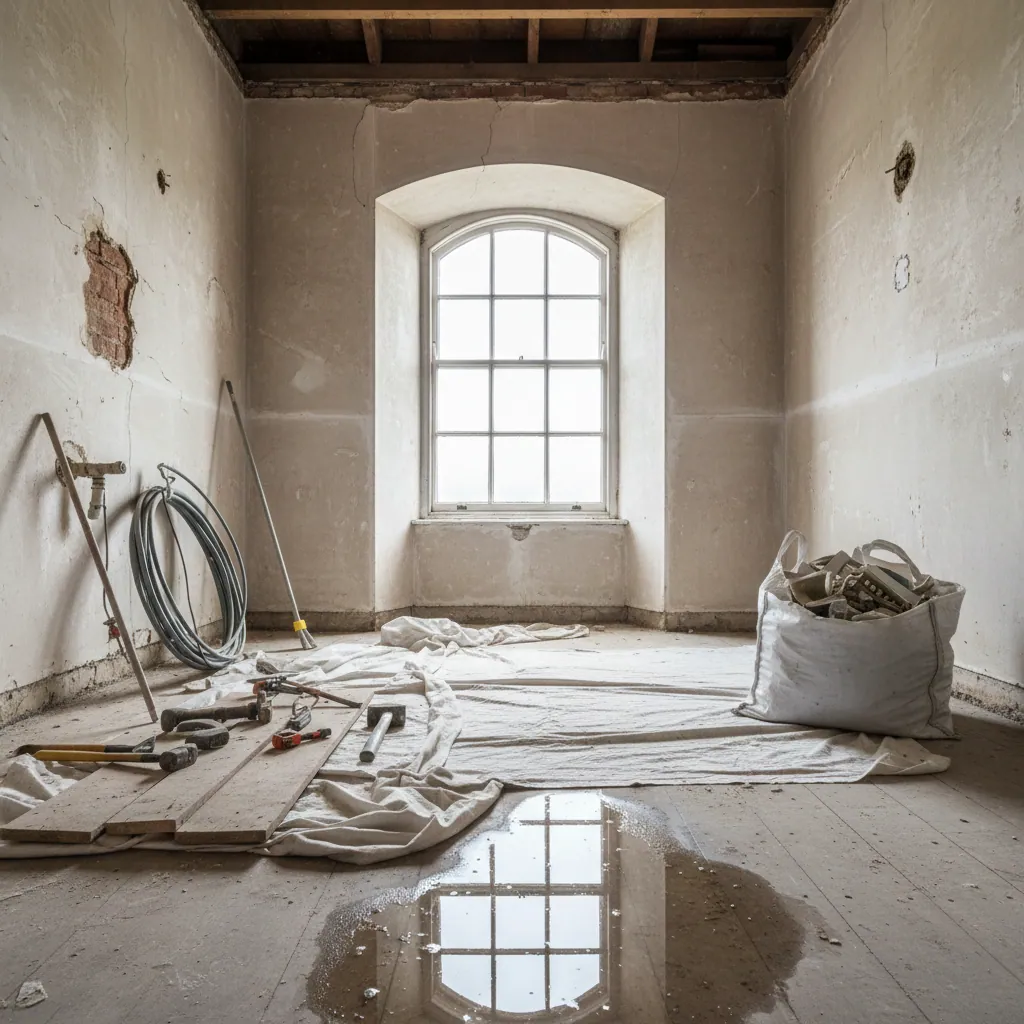
The biggest budget win is keeping the layout exactly where it is. Then spend your money on the things you see and touch every day — the suite, taps and tiling — and save on areas that don’t show, like a simpler suite or a feature wall instead of full tiling. The one place to never economise is waterproofing: a cheap shortcut there causes leaks that cost far more to fix.
Where the money really goes
A full bathroom in Plymouth typically runs £4,075–£10,870, with labour somewhere between £2,324 and £4,865 of that. The gap between the low and high end is mostly choices: layout changes, premium tiling and high-end fittings push you up; a sensible like-for-like refit with mid-range products keeps you down. Plymouth sits around 9% below the UK average, so your budget stretches a little further here than in many areas — our cost guide sets out the full ranges.
The single most expensive decision isn’t a fitting — it’s moving plumbing. Keep the bath, basin and toilet where they are and you cut out the costliest hidden work in one move. See modernising without moving the plumbing.
It’s also worth setting a realistic budget before you fall for a brochure. Decide your total number first, then work backwards: labour and the unglamorous essentials — waterproofing, tiling, a decent extractor — get protected, and whatever’s left sets the level of the fittings. Doing it that way round stops the common budget trap of spending big on a designer suite and then scrimping on the fitting that has to keep it watertight for the next fifteen years.
Where to spend, where to save
Worth spending on
- Taps, shower valve and toilet flush — used daily, cheap ones feel cheap
- Tiling and waterproofing labour — the part that has to last
- A decent extractor — protects everything else from damp
Easy places to save
- A simple, neutral suite rather than a designer range
- A tiled feature wall plus painted walls elsewhere, not floor-to-ceiling tiles
- Quality mid-range tiles over premium natural stone
- Keeping sound elements — a good bath can sometimes stay
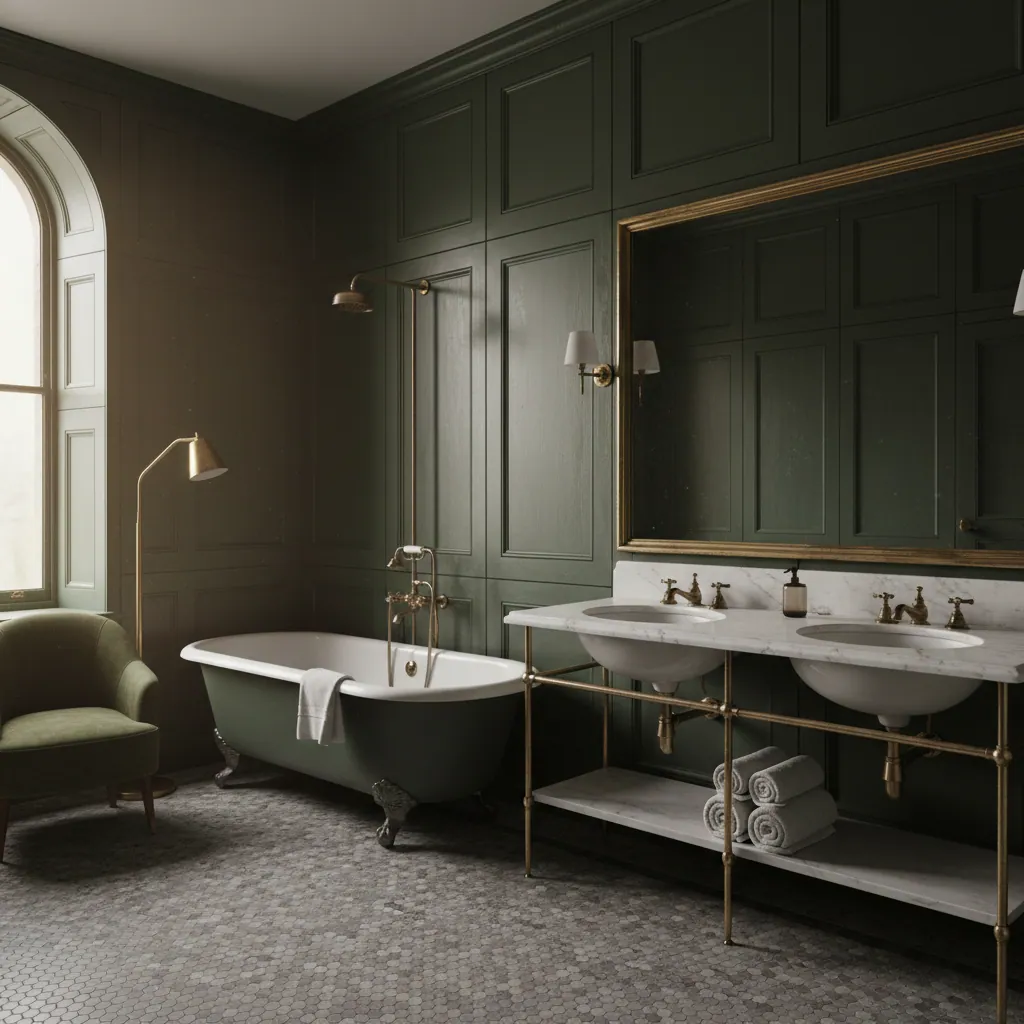
A tiled feature wall with paint elsewhere is a classic budget move that still looks considered.
Smart budget moves that don’t look cheap
Saving money on a bathroom isn’t about buying the cheapest of everything — that usually backfires when it dates or fails. It’s about being clever with where the spend lands.
Half-tile the walls
Tile to shoulder height or just the wet zones, paint above. You save on tiles and labour, and the look reads as a deliberate design choice, not a cutback.
Keep what works
If the bath, flooring substrate or even the toilet are sound, there’s no rule that says they must go. Replace what’s tired, not what’s merely old.
Big tiles, less grout
Larger-format tiles cover more wall with fewer joints — quicker to lay and cleaner-looking. See large-format tiles.
If you’d rather not strip out at all, our guide to updating a bathroom without replacing it covers the cheapest refresh options, and painting tiles can buy a few more years on a tight budget.
The false economies to avoid
Some savings cost you later. Skimping on waterproofing, ventilation or the quality of fitting is how a “cheap” bathroom becomes an expensive one — leaks, mould and re-dos wipe out any saving and then some. A fixed written quote from a proper team is itself a budget tool: it stops the price creeping mid-job and tells you exactly what you’re getting. If cash flow is the issue rather than total cost, see getting a bathroom on finance.
What’s the cheapest way to renovate a bathroom?
Should I buy my own suite to save money?
Will a budget bathroom still add value?
Honest pricing, no creep
Get a fixed quote that respects your budget
Tell us your number and we’ll show you where to spend and where to save to make it work — a fixed written price, no surprises. Plymouth and the South West.