Quick answer
Replastering a small bathroom in Plymouth typically costs £300–£600 for a skim coat, rising to £600–£1,200 or more for a full replaster of walls and ceiling with prep. Skimming runs roughly £20–£40 per square metre. The honest part: walls you’re tiling rarely need a finish skim at all.
What replastering a bathroom actually costs in Plymouth
Plaster price swings a lot depending on what’s behind your tiles. A quick freshen-up skim is cheap; stripping blown plaster back to brick in a period terrace is a different conversation. Here’s a realistic Plymouth range, and you can see how it fits the bigger picture on our bathroom cost guide.
Skim coat · small bathroom
£300–£600
A single finish coat over sound existing plaster — ideal when walls are flat and solid but tired, and you want a smooth surface to paint or wallpaper above the tile line.
Full replaster · walls & ceiling
£600–£1,200+
Includes prep, overboarding or backing coats where needed, then a finish skim across walls and ceiling. This is the usual figure after a strip-out or where old plaster has failed.
By the square metre
£20–£40
A rough rate per m² for skimming. Handy for sense-checking a quote, though small bathrooms often carry a minimum day rate that makes the per-metre figure look high.
When you need replastering — and when you don’t
This is where a good fitter saves you money. Not every wall in a bathroom needs replastering, and quoting for the whole room as a reflex is how budgets quietly balloon. We’ll always tell you where it’s genuinely needed and where it isn’t.
When it’s worth doing
- After a strip-out, where ripping off old tiles has pulled the plaster with them
- Plaster that’s blown, hollow-sounding, cracked or crumbling
- Older Plymouth properties with lath-and-plaster walls past their best
- Surfaces above the tile line that you’ll paint, where finish matters
When you can skip it
- Walls about to be tiled — they need a sound, level background, not a polished skim
- Existing plaster that’s solid, flat and well-keyed already
- Areas a new bath panel, vanity or boxing will cover anyway
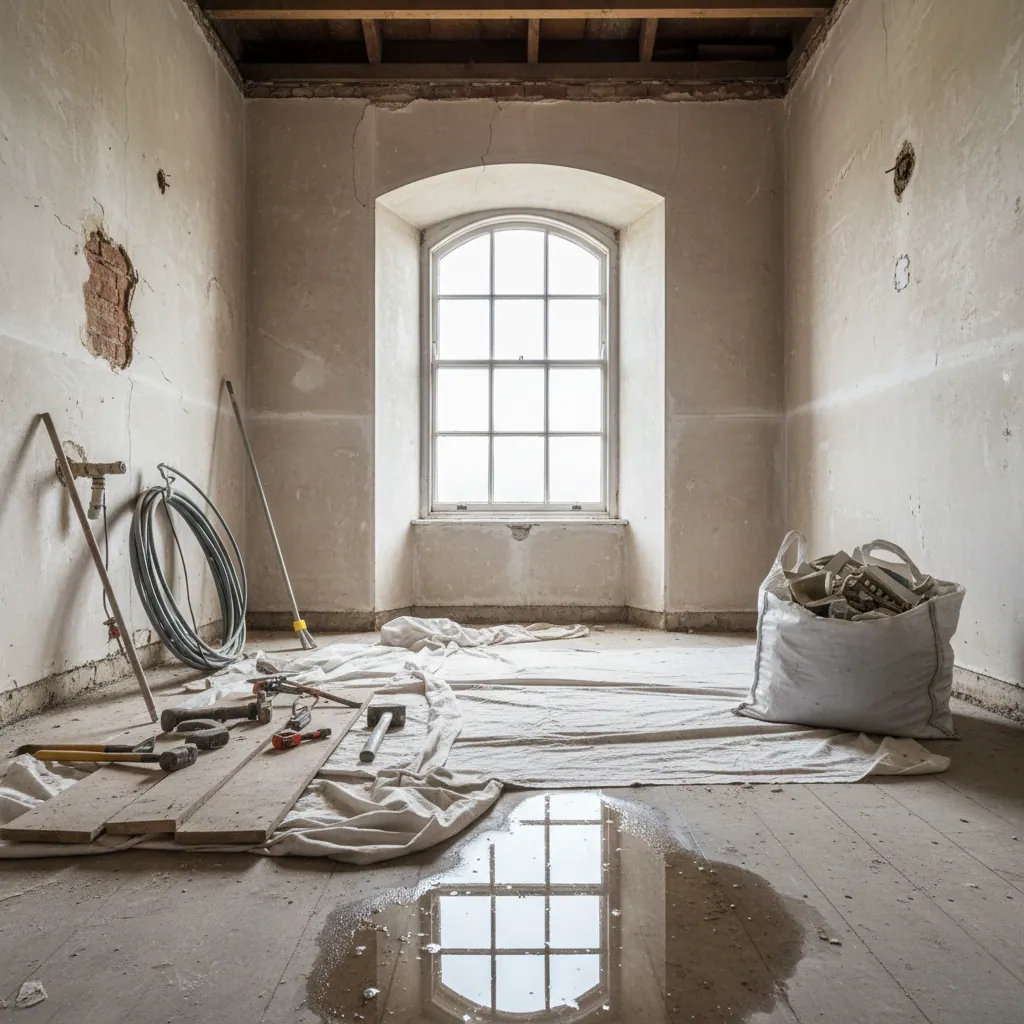
Fresh plaster needs time to dry fully before tiling or painting — rush it and you trap moisture behind the finish.
Skim, full replaster or overboarding?
“Replastering” covers three different jobs, and the right one depends entirely on what state your walls are in. Knowing the difference helps you read a quote and understand why one wall costs more than the next.
Skim coat
A thin 2–3mm finish coat over an existing sound surface. The cheapest and quickest option — perfect for tired-but-solid walls that just need smoothing before paint.
Full replaster
Backing coat plus finish skim, used where old plaster has been removed or has failed. More material and more labour, hence the higher figure — and the result is a wall as good as new.
Overboarding
Fixing fresh plasterboard over a poor surface, then skimming. Often quicker and cleaner than hacking off old plaster, especially on uneven walls in older homes.
Don’t forget drying time
Fresh plaster looks ready long before it actually is. It needs to dry right through — often several days, longer in a cold or unventilated bathroom — before you can safely tile or paint over it. Tile too soon and you risk adhesion failures; paint too soon and it can flake or stain. We build that drying window into the schedule, which is one reason replastering can nudge your overall bathroom renovation timeline.
What drives the price up or down
Two bathrooms the same size can carry very different plaster bills. These are the factors that move it, and we’ll flag any of them in your written quote rather than spring them on you mid-job.
Room and ceiling size
More square metres means more material and labour. Including the ceiling — which many quotes do — adds a meaningful chunk on its own.
Prep and condition
Hacking off blown plaster, overboarding or treating an uneven surface all add time before a trowel ever touches the wall.
Damp in older homes
Plymouth has plenty of period and lath-and-plaster properties. Damp or perished walls may need treating first, which adds cost but protects the finish.
How much actually needs it
The biggest saving of all. Tiled areas need a sound background, not a skim — so plastering only what genuinely needs it keeps the bill sensible.
If your plans include retiling, it’s worth reading our guide on what it costs to retile a bathroom alongside this — and our tiling and flooring page explains how we prep walls so they’re ready to tile without unnecessary plastering.
Common questions about replastering
Do I need to replaster before tiling?
Usually no. Tiling needs a sound, level and well-keyed background — not a smooth finish skim. If your existing surface is solid and flat, we can tile straight onto it once it’s prepped. A finish skim under tiles is often wasted money, and we’ll tell you when that’s the case.
How long should plaster dry before tiling or painting?
Give fresh plaster time to dry right through before you tile or paint — often several days, and longer in a cold or poorly ventilated bathroom. Drying out too quickly or being covered too soon causes cracking and adhesion problems, so we always build a sensible drying window into the schedule.
Why might an older Plymouth home cost more?
Period properties often have lath-and-plaster walls, uneven surfaces or damp that needs treating before any new plaster goes on. That extra prep adds labour and time, but skipping it just means the finish fails later — so it’s worth doing properly the first time.
Got a question we’ve not covered? Our FAQs page goes wider, or just ask us directly.
No guesswork, no surprises
Get a clear, honest plastering quote
Tell us about your bathroom and we’ll give you a written price that plasters only what genuinely needs it — and leaves the rest well alone.