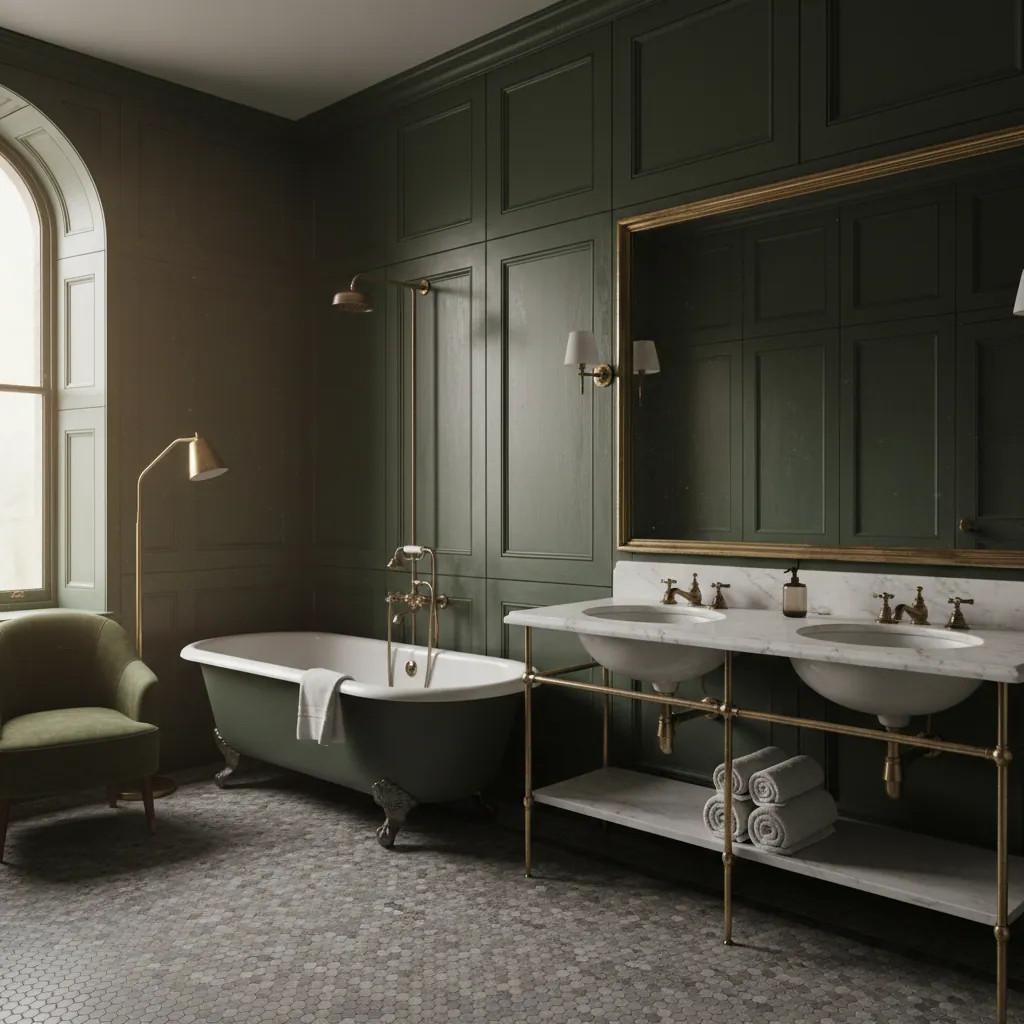
Quick answer
Start with the room and how you live, then measure before you fall for any product. Choose a bath, basin and toilet that suit the space and match in style, and judge each piece on quality and cleaning — not just looks. A showroom visit makes the whole choice far easier.
Start with the room and how you live
A bathroom suite simply means the matched set of pieces you use every day — toilet, basin and bath or shower — chosen to work together. Before you look at a single product, the most useful question is how the room will actually be used. A busy family bathroom has different needs from a compact en-suite or a bathroom being made more accessible, and getting that clear first saves you from falling for a suite that looks lovely but doesn’t suit your life.
Family bathroom
Built for daily wear and several people. A bath is often a must for young children, storage matters, and easy-clean surfaces earn their keep. Robust over delicate is the rule.
En-suite
Usually tight on space, so compact and wall-hung pieces help the floor feel bigger. A shower often replaces the bath, and clever fittings make every inch count.
Accessible bathroom
Here comfort-height toilets, easy-reach basins and a level shower come into their own. Choosing with future needs in mind now saves a second refit later.
If you’re planning a layout change as well as new fittings, our full bathroom installation and bathroom renovation pages explain how the whole job comes together.
Measure first, then choose
It sounds obvious, but the most common regret is a suite that doesn’t quite fit — a bath an inch too long, a basin that fouls the door, a toilet too close to the wall to clean behind. Measure the room properly before you commit, and account for the things people forget.
- Door swings and where they land
- Window sills, radiators and pipe runs
- Clear space in front of the toilet and basin
- Room to actually step into the bath or shower
- Where soil pipes and waste already sit
Get this right and everything else gets easier. A good fitter will measure for you and flag anything awkward before you order — far better than finding out on fitting day.

The little details — how the basin sits, how the tap matches — are easier to judge when the room is measured and planned first.
The three pieces, and your options
A suite is really three decisions that need to sit happily together. Here’s what to weigh up for each.
The bath
Standard bath
The dependable choice for most homes — a fitted, panelled bath that’s good value and easy to live with. Ideal for families and tighter rooms.
Shower-bath
Wider at one end so you can shower comfortably and still keep a bath. A sensible answer when one room has to do both jobs.
Freestanding bath
A real centrepiece, but it needs floor space and the right plumbing. Lovely in a larger bathroom; see are freestanding baths worth it.
The basin
Pedestal
Classic and tidy, hiding the pipework behind a column. A safe, traditional look that suits most family bathrooms.
Wall-hung
Floats off the wall, freeing floor space and making small rooms feel bigger. Easy to clean underneath, too.
Vanity or countertop
Adds storage below and a worktop around the basin — brilliant for hiding clutter. A countertop bowl gives a more modern, hotel feel.
The toilet
Close-coupled
The familiar all-in-one with the cistern sitting on the pan. Affordable, reliable and simple to fit or replace.
Back-to-wall & concealed cistern
The cistern is hidden in furniture or a stud wall for a sleek, clean line that’s easy to wipe down.
Wall-hung
Mounted off a concealed frame so the floor is clear beneath — the easiest to clean around, and very contemporary. Compare in wall-hung vs floor-standing toilet.
Comfort-height
A little taller than standard, so it’s kinder on knees and backs. A small change that makes a big difference as needs change.
Matching style — and judging quality
The trick that makes a bathroom feel finished is keeping the shapes and finishes talking to each other. Soft, curved pieces suit a traditional look; crisp, square lines feel modern. You don’t have to match everything to one brand, but the bath, basin and toilet should share a family resemblance — and your brassware (taps and shower fittings) is usually chosen separately, so pick a single metal finish and carry it through.
Modern or traditional?
Modern suites lean on clean geometry, wall-hung pieces and concealed cisterns. Traditional suites favour pedestals, gentle curves and classic levers. Neither is better — what matters is that it sits well with your home. Plymouth’s mix of Victorian terraces and newer estates rewards a look that feels right for the property.
What quality actually means
- Heavier, well-glazed ceramic resists staining and chips
- Soft-close seats and lids that don’t slam
- A dependable, water-efficient flush mechanism
- Solid-feeling, well-finished brassware
- Spares you can still get in years to come
Budget matters, of course — a cheap suite can look identical in a brochure yet feel very different in daily use. It’s worth spending where you touch things most: the tap, the flush, the seat. For wider numbers, our cost of a bathroom in Plymouth guide puts a full bathroom at £4,075 to £10,870, averaging around £6,340 — roughly 9% below the UK average.
Buy as a set, or mix and match?
Buying a ready-matched suite is the simple route — the pieces are designed to coordinate, the proportions agree, and it’s usually kinder on the budget. Mixing pieces gives you freedom to pair, say, a favourite freestanding bath with a wall-hung toilet, but it asks for a careful eye so nothing clashes. Either can work beautifully; the key is to plan the whole room together rather than buying one piece at a time and hoping it all fits.
Whatever route you take, don’t choose on looks alone. Think about cleaning — fewer crevices and a tidy floor mean less scrubbing. Think about your water type, as hard water can mark certain finishes. Think about longevity, because a suite should serve you for fifteen years or more. And think about future needs, especially if comfort-height or accessible features might matter down the line. If you’re weighing up supplying your own fittings, our note on whether to supply your own bathroom suite is worth a read first.
How a design visit makes it easy
Choosing a suite on paper is hard; seeing and touching it changes everything. A showroom or design visit lets you feel the weight of the ceramic, try the height of a comfort-height pan, and picture how the pieces sit together in a room the size of yours. It’s also where a good fitter spots the practical things — the pipe that’s in the way, the basin that suits your width, the layout that frees up space you didn’t know you had.
See it in context
Real finishes and full-size pieces, so you choose with confidence rather than guessing from a brochure.
Planned around your room
We measure, advise on what fits, and design the suite to suit how you live. Our bespoke bathroom design service brings it all together.
Honest guidance
Where to spend, where to save, and what will still look right in ten years. More answers sit on our FAQs page.
Common questions about choosing a suite
How do I choose a bathroom suite?
Start with the room and how you live — family, en-suite or accessible — then measure before choosing anything. Pick a bath, basin and toilet that fit the space and match in style, judge each piece on quality and ease of cleaning, and think about future needs. A showroom or design visit makes the whole decision far simpler.
Is it better to buy a matching bathroom suite or mix pieces?
A matched suite is simpler and usually cheaper, as the pieces are designed to coordinate in shape and proportion. Mixing pieces gives more freedom but needs a careful eye so nothing clashes. Both can look excellent — the key is planning the whole room together rather than buying one item at a time and hoping it fits.
What size bathroom suite do I need?
Measure the room first and allow clear space in front of the toilet and basin, room to step into the bath or shower, and clearance for the door swing. In small rooms, wall-hung and compact pieces free up floor space. A fitter can measure for you and flag anything awkward before you order, which avoids costly surprises.
Should I pick a bathroom suite on looks alone?
No. Looks matter, but also weigh up cleaning, your water type, longevity and future needs. Heavier glazed ceramic resists staining, soft-close seats and a reliable flush make daily life easier, and choosing pieces with comfort or accessibility in mind now can save a second refit later. Judge quality where you touch things most.
No pressure, no hard sell
Choose your suite with a Plymouth team you can trust
Tell us about your room and how you live, and we’ll help you choose a bath, basin and toilet that fit, match and last — then design the whole thing around you.