Underfloor heating
Stepping onto a warm floor on a cold Plymouth morning is one of those small luxuries that, once you’ve had it, you never want to give up. Electric underfloor heating is one of our most popular tiling add-ons for exactly that reason — it takes the chill off a tiled floor, dries the room quickly after a shower, and warms the whole space gently from the ground up, often letting you do away with a radiator and free up wall space. The golden rule is simple: fit it while the floor is open, because retrofitting later means lifting the floor you just paid for. Here’s how it works, why tile is its perfect partner, and what it costs to install and run.
How underfloor heating works under a tiled floor
In a bathroom, the usual system is electric underfloor heating — a thin heating mat or cable that sits in the adhesive bed directly beneath your floor tiles. When it’s switched on, the whole floor becomes a gentle, low-temperature radiator, warming evenly across its entire surface rather than blasting heat from one spot the way a wall radiator does. That even, radiant warmth is why underfloor-heated rooms feel so comfortable: there are no cold corners, the warmth rises naturally, and the floor itself — the surface you actually stand on — is the thing that’s warm.
Tile is the ideal partner for it because porcelain and stone conduct and hold heat so well, carrying the warmth up from the mat and radiating it steadily into the room. It also dries the floor quickly after a shower, which cuts down the damp that feeds mould and keeps the whole room fresher. A wet (water-based) underfloor system exists too, but for a single bathroom the electric mat is almost always the sensible, cost-effective choice, and it’s a natural part of a well-planned bathroom tiling and design job.
Why it must go in while the floor’s open
The one rule that saves you money
Underfloor heating lives under the floor — so the only sensible, affordable time to fit it is when the floor is already up during a bathroom renovation or tiling job. Adding it then is a modest extra on work that’s happening anyway. Deciding you want it a year later means lifting and re-laying the floor you just paid for, which turns an inexpensive upgrade into a small project. If a warm floor is even a maybe, mention it at quote stage; there’s almost no downside to laying the mat while everything’s open, and every downside to wishing you had.
It pairs naturally with a wider refresh — if you’re already planning a bathroom renovation, this is the moment to build it in.
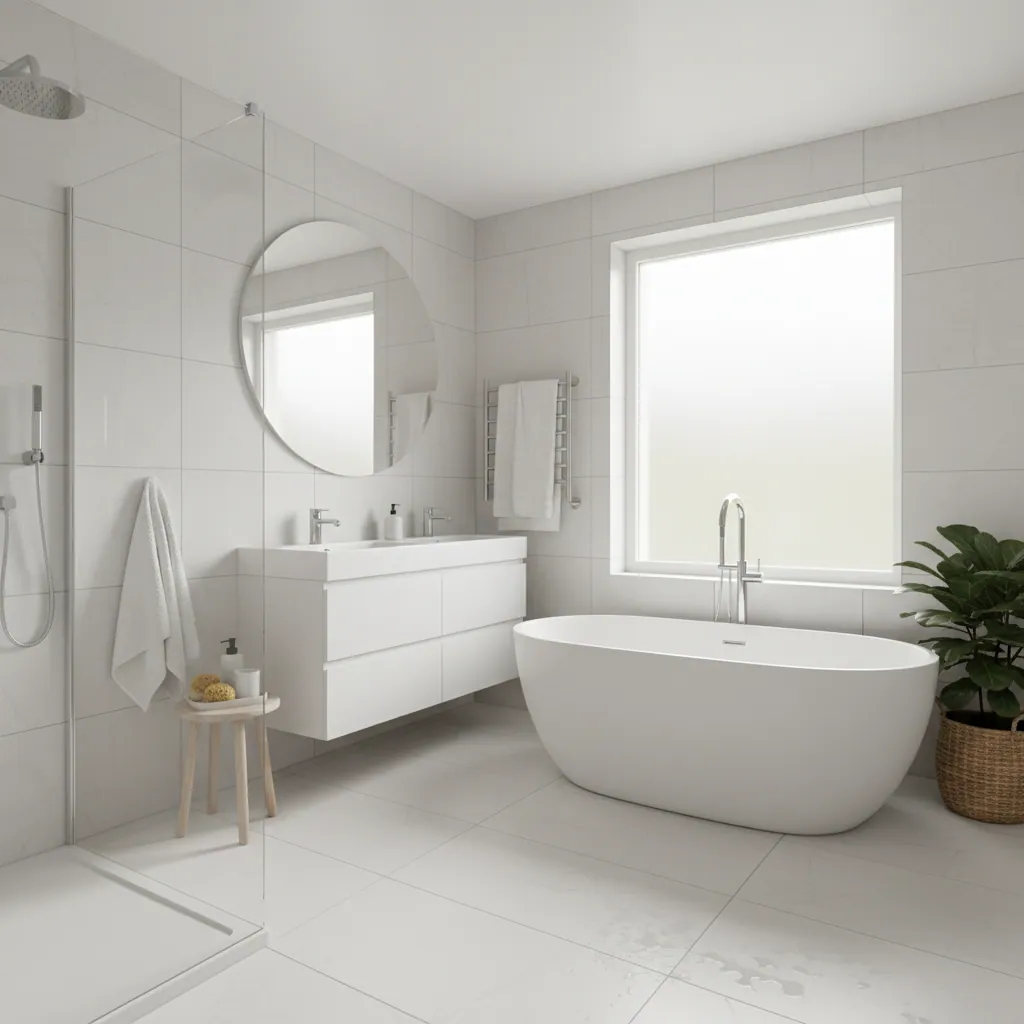
How we fit underfloor heating, step by step
Here’s exactly how the heating goes in as part of a tiling job, so you know what’s happening in your home and why each stage matters.
1. Prepare and insulate the floor
The floor is made flat, sound and clean. We often lay insulation boards first so the heat is driven up into the room rather than lost downwards — this makes the system warm up faster and cost less to run.
2. Lay the heating mat
The thin electric mat or cable is set out across the floor area that needs heating, worked neatly around the WC, basin and any fixed units, and fixed down so it can’t shift while tiling.
3. Fit the floor sensor and connect
A floor temperature sensor is positioned between the heating runs, and a qualified electrician wires the system and thermostat into a suitable circuit — all to current regulations, with the electrical work certified.
4. Tile over with flexible adhesive
Tiles are bedded over the mat in a flexible, heat-rated adhesive designed for the expansion and contraction a warm floor goes through, with full coverage so there are no voids around the heating element.
5. Grout with flexible grout
Once the adhesive has fully cured, the floor is grouted with a flexible grout that copes with heat movement, so the joints don’t crack as the floor warms and cools.
6. Commission and hand over
We leave the adhesive and grout to cure fully before the heating is switched on, then bring it up to temperature gradually, set the thermostat with you and show you how to use it.
The whole heating element adds only a modest amount of time to a tiling job — the main discipline is patience: never rushing the curing before switching the system on, because heating a floor before the adhesive has set is a classic cause of cracked grout later. It’s the same unhurried care we bring to every full bathroom installation.
Running costs, thermostats and everyday use
The question we’re asked most is whether underfloor heating is expensive to run. Sensibly specified and controlled, it needn’t be — and there are real ways to keep the cost down.
What keeps running costs low
- Insulation boards underneath. These drive the heat upward instead of into the floor slab, so the system reaches temperature faster and uses less energy — the single biggest efficiency factor.
- A good programmable thermostat. Modern thermostats warm the floor only when you want it — an hour in the morning and evening, say — rather than all day.
- A floor sensor. Heating to floor temperature rather than air temperature avoids overshooting and wasting energy.
- Right-sizing the mat. Heating only the area that needs it — not under the bath or vanity — keeps consumption sensible.
Living with it
In practice, most people run bathroom underfloor heating in short bursts around their routine — warm for the morning shower and again in the evening — which keeps everyday costs modest for a genuine comfort upgrade. Because it warms the floor you stand on and dries the room quickly, many customers find it comfortable at a lower setting than they expected. In a well-insulated bathroom it can even become the main heat source, freeing the wall space a radiator would take — handy in a compact Plymouth bathroom or en-suite where every centimetre counts. We’ll size and set the system to suit your room and how you use it, so you get the warmth without the worry about the bill.
What underfloor heating costs to install in Plymouth
Fitted as part of a tiling or renovation job — when the floor is already open — electric underfloor heating is a relatively modest add-on. The cost covers the heating mat and insulation, the thermostat, and the electrician’s time to wire and certify the connection, on top of the tiling itself. Because it’s going in while the floor’s up, you’re only paying for the extra materials and a little more labour, not for lifting a floor. Retrofitting it later, by contrast, means paying to take up and re-lay a finished floor, which is why we always raise it at quote stage. Plymouth’s fitting costs sit around 9% below the national average, so local labour comes in a touch under up-country rates.
For the wider budget picture, see the cost of a bathroom in Plymouth. If you love a warm floor but want to compare surfaces, note that LVT also works well over underfloor heating — our guide to LVT and vinyl flooring covers that, and our grout and sealing guide explains why flexible adhesives and grouts matter so much over a heated floor.
Frequently asked questions
Is underfloor heating worth it in a bathroom?
For most people, yes — it’s one of the most-loved bathroom upgrades. It takes the chill off a tiled floor, warms the room gently and evenly, dries the floor quickly after a shower and can free up the wall space a radiator would take. Fitted while the floor is already open during a tiling or renovation job, it’s a modest add-on for a genuine everyday comfort you’ll notice all winter.
How does electric underfloor heating work under tiles?
A thin electric heating mat or cable sits in the adhesive bed directly beneath the floor tiles. Switched on, it turns the whole floor into a gentle, even, low-temperature radiator, warming the room from the ground up. Tile is ideal for it because porcelain and stone conduct and hold heat well, carrying the warmth up and radiating it steadily into the room.
Can you retrofit underfloor heating without lifting the floor?
Not really — the heating lives under the floor, so fitting it means the floor has to be up. That’s why the sensible, affordable time to add it is during a tiling job or renovation when the floor is already open. Retrofitting later means paying to lift and re-lay a finished floor, so if a warm floor is even a possibility, it’s best raised at quote stage.
Is bathroom underfloor heating expensive to run?
It needn’t be, when it’s specified and controlled well. Insulation boards under the mat drive heat upward so it warms faster and uses less energy, and a good programmable thermostat with a floor sensor lets you heat the room only when you want it — typically short bursts morning and evening. Most people find everyday running costs modest for the comfort it gives.
Does underfloor heating crack the tiles or grout?
Not when it’s fitted properly. A heated floor expands and contracts as it warms and cools, so we tile over it with flexible, heat-rated adhesive and finish with flexible grout that copes with that movement, and crucially we let everything cure fully before switching the heating on. Rushing the curing, or using rigid materials, is what causes cracked grout — which is exactly what careful fitting avoids.
Proud of every bathroom we fit
Never step onto a cold floor again
If a warm floor appeals, the time to fit it is now — while the floor’s open. We’ll size the system for your room, lay it over proper insulation, tile with flexible heat-rated adhesive and certify the electrics. Tell us about your bathroom for one clear written quote.